
A Consumer’s Guide to Common Monument Styles
Understanding your options for honoring a loved one
Choosing a monument is a deeply personal decision. The style you select reflects not only the person being honored but also the traditions, values, and vision of the family. While materials, size, and design details can vary widely, most memorials fall into a few classic categories. Knowing the differences can help you choose a style that feels right and fits cemetery guidelines.
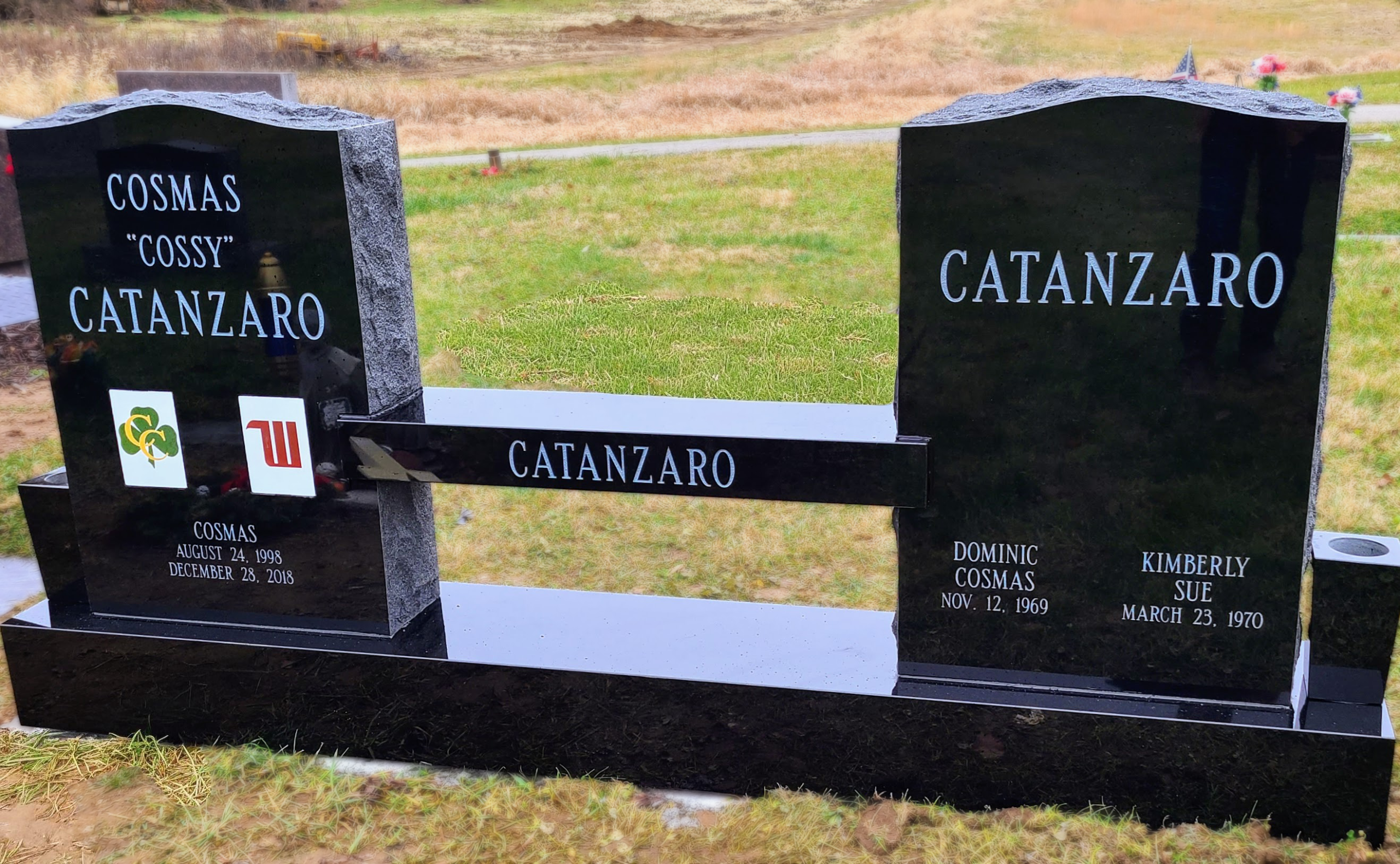
Upright Monuments
Description: The most traditional style, featuring a vertical tablet (or die) mounted on a base.
Advantages: Highly visible from a distance, allows for extensive design work, lettering, and imagery.
Common Uses: Individual or companion memorials, family plots.
Tip: Upright monuments can be crafted in many shapes, from simple rectangles to elaborate custom silhouettes.
Slant Markers
Description: The face of the monument is cut at an angle, with the front sloping backward. The design is typically carved or engraved on the slanted surface.
Advantages: Easier to read than a flat marker, yet lower to the ground than a full upright.
Common Uses: Individual or companion graves, often in sections where taller monuments are restricted.
Tip: Slants can be placed directly on the ground or set on a base for extra height and presence.
Bevel Markers
Description: Similar to slants but with a gentler angle—usually about 2 inches from back to front—giving a slightly raised appearance.
Advantages: Easy to mow around, less visually imposing while still elevating the inscription.
Common Uses: Smaller memorials for individuals or companions; sometimes used at the foot of a grave to complement a larger headstone.
Flat or Flush Markers
Description: Set level with the ground; the inscription is engraved on the top surface.
Advantages: Minimalist appearance, ease of cemetery maintenance, often less expensive.
Common Uses: Cemeteries that require uniform, ground-level memorials.
Tip: Flat markers can be made from granite or bronze and still allow for meaningful personalization through fonts, symbols, and layout.
Ledger Stones
Description: Large, flat stones covering the entire grave.
Advantages: Offers a broad surface for inscriptions, artwork, or epitaphs.
Common Uses: Historic or family plots, areas with a tradition of full-grave memorials.
Benches
Description: Functional memorials that serve as both a monument and a place to sit.
Advantages: Encourages visitors to spend time in reflection; can incorporate inscriptions, carvings, or even cremation niches.
Common Uses: Cemetery gardens, family plots, or as a companion piece to other monuments.
Family or Estate Monuments
Description: Larger memorials marking a family plot, often with the family name prominently displayed.
Advantages: Creates a central point of identity for multiple graves; can be customized in shape, height, and symbolism.
Common Uses: Multi-generation family plots, private mausoleums, or cremation gardens.
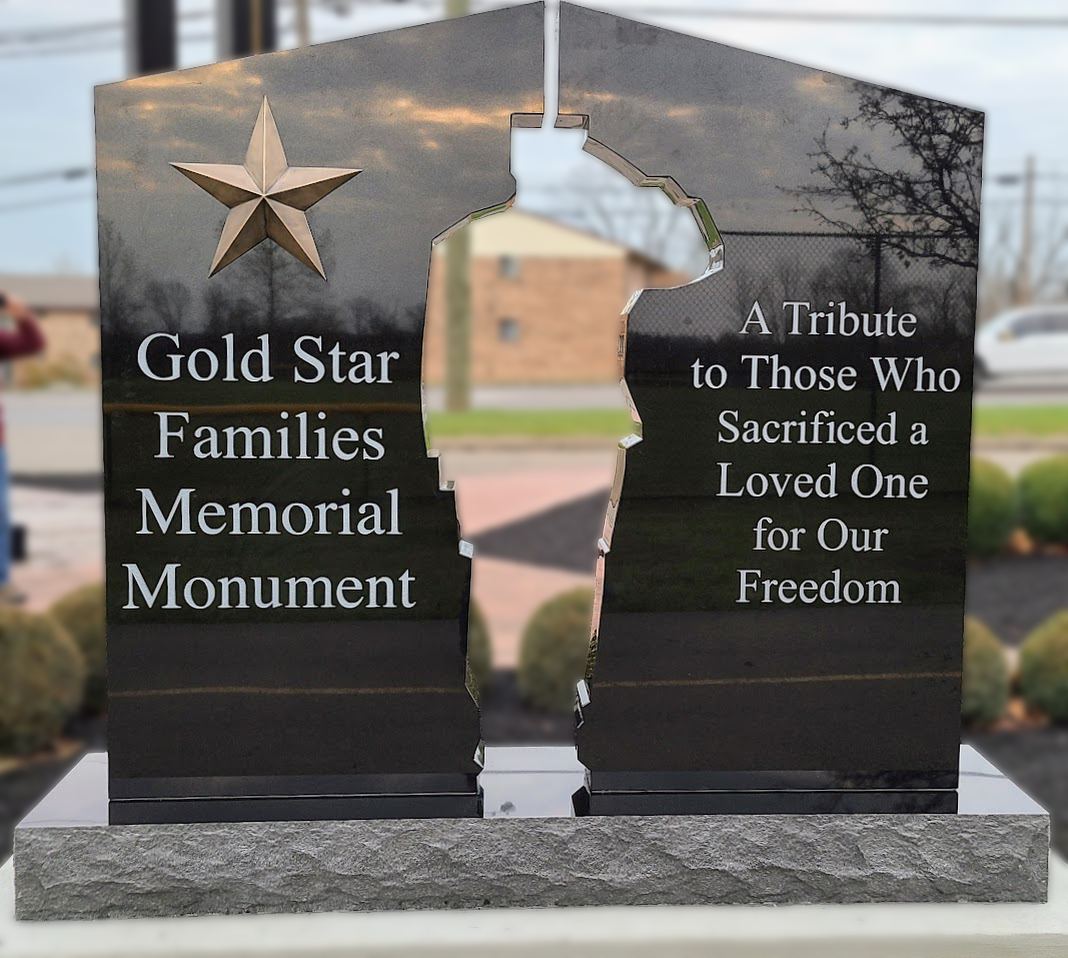
Specialty and Custom Shapes
Description: Monuments designed in nontraditional shapes—hearts, crosses, books, nature scenes, or entirely custom sculptures.
Advantages: Allows for deeply personal storytelling and symbolic meaning.
Common Uses: Families seeking a unique, one-of-a-kind tribute.
Tip: Check cemetery regulations early, as height or shape restrictions may apply.
Questions to Ask Before Choosing a Monument Style
- What styles are permitted in this cemetery or section?
2. How will the style affect visibility and readability over time?
3. Do we want space for future inscriptions?
4. Is the style appropriate for our climate and maintenance preferences?
5. Does the style allow the level of personalization we want?
Working with an MBNA Member
As a proud member of the Monument Builders of North America (MBNA), Columbus Memorials can walk you through these styles, show you examples, and help you match your vision to cemetery guidelines and your budget. Our expertise ensures your choice is beautiful, durable, and meaningful for generations.
To look us up in the MBNA register or verify our membership, visit search.monumentbuilders.org.