Choosing the Right Monument Material
What to know before you decide—and a few surprising facts along the way
When you choose a monument for a loved one, you’re not just selecting a design—you’re choosing the material that will carry their name, story, and legacy for decades (and often centuries) to come. The right choice balances durability, beauty, and maintenance, while also meeting cemetery regulations.
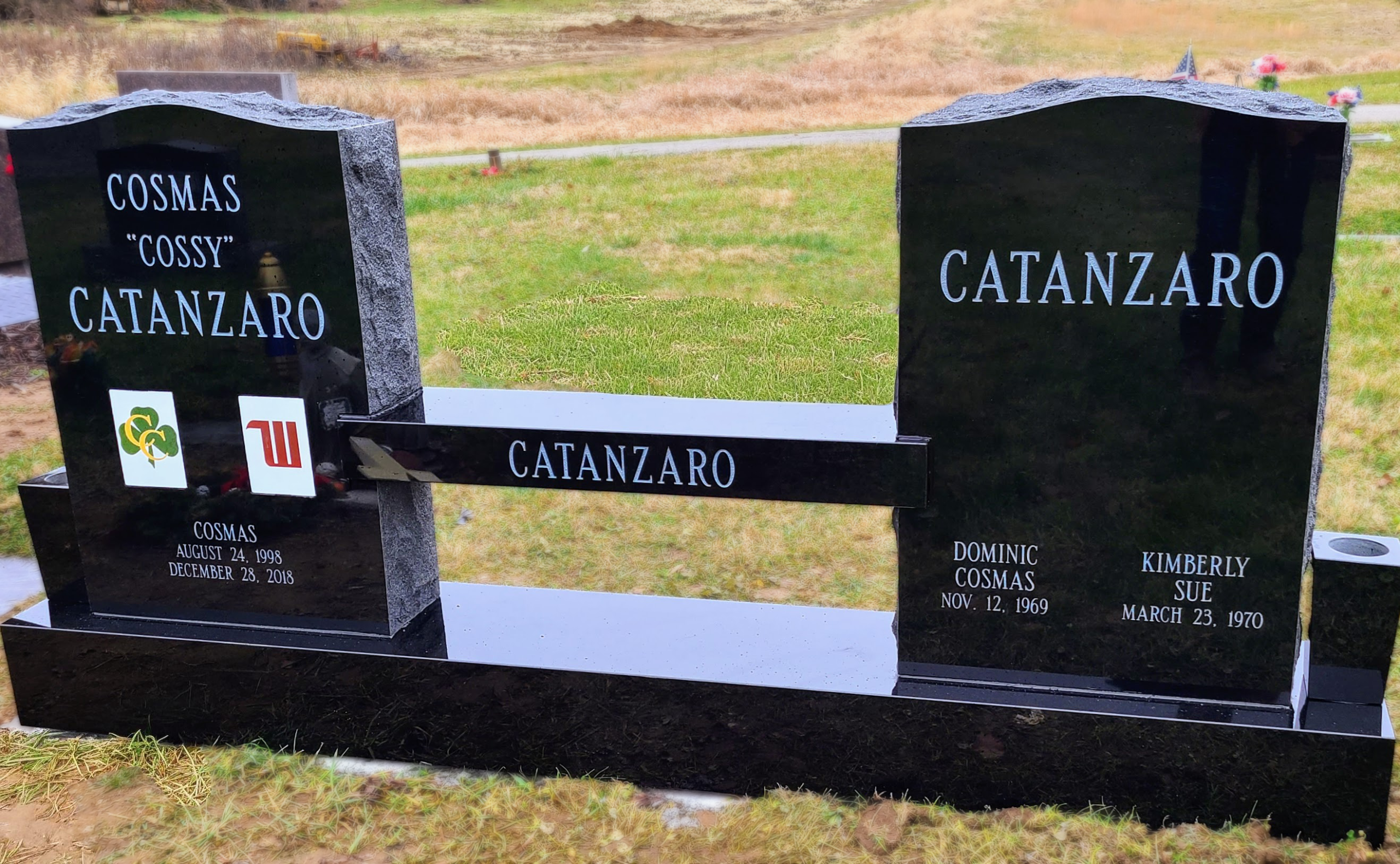
Granite: The Timeless Favorite
– Why it’s popular: Granite is incredibly durable, weather-resistant, and available in a wide range of natural colors—from classic gray to striking reds, blues, and blacks.
– Maintenance: With minimal care, granite can last for generations without losing its polished finish.
– Fun fact: Some granite used for monuments is over 300 million years old—meaning it’s been around since before the first dinosaurs walked the earth.
Marble: Elegant but Sensitive
– Why it’s chosen: Marble’s fine grain and soft, luminous look make it a favorite for detailed carving and statues.
– Maintenance: While beautiful, marble is more prone to weathering over time, especially in areas with acid rain or freeze-thaw cycles.
– Fun fact: Michelangelo’s David is carved from marble, and even after 500 years, it still inspires awe—proof of marble’s lasting artistry when properly cared for.
Bronze: Warm and Enduring
– Why it’s chosen: Bronze plaques and markers have a warm, rich tone and can capture intricate lettering or imagery. They are often set on granite bases for stability.
– Maintenance: Bronze develops a natural patina over time, which some families love for its antique look. Regular cleaning can maintain the original shine.
– Fun fact: The Statue of Liberty is made of copper, which is closely related to bronze—its famous green color is the result of over a century of natural patina.
Other Materials: Unique Choices
– Sandstone and Limestone: Historically popular in older cemeteries, but softer and more prone to erosion. Best for those who appreciate a weathered, antique look.
– Fieldstone and Boulders: Natural, unpolished stones that blend beautifully with outdoor landscapes and rural settings.
Questions to Ask Before You Choose
- How will this material age in our local climate?
2. What colors are available, and will they fit with our design vision?
3. Are there cemetery rules that limit certain materials or finishes?
4. How much maintenance is required over the years?
5. Does the material allow for the level of detail we want in the design?
How We Can Help as MBNA Members
As a proud member of the Monument Builders of North America (MBNA), Columbus Memorials is skilled in matching materials to your design, budget, and long-term expectations. We know how to balance beauty with durability and can guide you through the pros and cons of each option; this often includes providing samples you can see and touch.
Bottom line: Your choice of material isn’t just about today—it’s about creating something that will stand strong and tell your loved one’s story for generations.
To verify our membership or look us up in the MBNA register, visit search.monumentbuilders.org.
Sidebar: Did You Know?
• Granite’s durability comes from its interlocking crystal structure, which makes it one of the hardest natural stones.
• White marble was prized by ancient sculptors because its fine grain allowed for more precise detailing.
• Bronze is an alloy of copper and tin, first used for tools and art more than 5,000 years ago.
• Limestone and sandstone monuments from the 1800s can still be found in historic cemeteries, though many show beautiful signs of natural aging.
• Some quarries supply stone to monument builders and famous landmarks—meaning your family’s monument may share material with buildings known around the world.