

Top 10 Monument-Buying Questions — Answered by Your MBNA Monument Builder
Selecting a monument is a heartfelt responsibility—and one many families find confusing. As a member of Monument Builders of North America (MBNA), I’ve helped countless families with design, regulations, and logistics. Here’s a clear, compassionate guide to the most common questions we hear.
What cemetery information do I need first?
Always ask your cemetery about monument regulations—including size, material, style, placement, and permits. This ensures your design will be allowed and saves time and effort later. Some cemeteries have very specific requirements, while others are more flexible. Knowing these rules up front helps your builder create a meaningful design that fits both your vision and the cemetery’s guidelines.
How long does it take to receive and install a monument?
Timeline varies: a flat marker typically takes 4–8 weeks; an upright can take 10–12 weeks; customized designs may require 16–22 weeks—or more. Weather, shipping, and seasonal backlogs can also affect timing. It’s wise to ask for an estimated schedule at the start, so expectations are clear and families can plan memorial gatherings accordingly.
What will it cost?
Costs depend on material, size, color, engraving, foundation, shipping, and installation. Flat markers start around the low hundreds; elaborate monuments can cost thousands. Think of it as an investment in a lasting tribute. Your builder can provide estimates with different design options so you can choose the right balance of beauty, durability, and budget.
Which materials do you recommend?
Granite is favored for its durability, beauty, and color range. Marble offers elegant sculpting but weathers more quickly, while bronze offers warmth and detail, often paired with granite. Your builder can explain the strengths and limitations of each, helping you select a material that fits both your aesthetic preferences and the climate in your area.
What paperwork or documents will I need?
You’ll need cemetery permits, marker setting forms, and any design approval paperwork. Your monument builder will guide you through the process. Having these documents completed correctly prevents delays and ensures that installation happens smoothly. Many builders also work directly with cemetery staff, so families don’t have to manage every detail themselves.
Can I add a photo or custom inscription later?
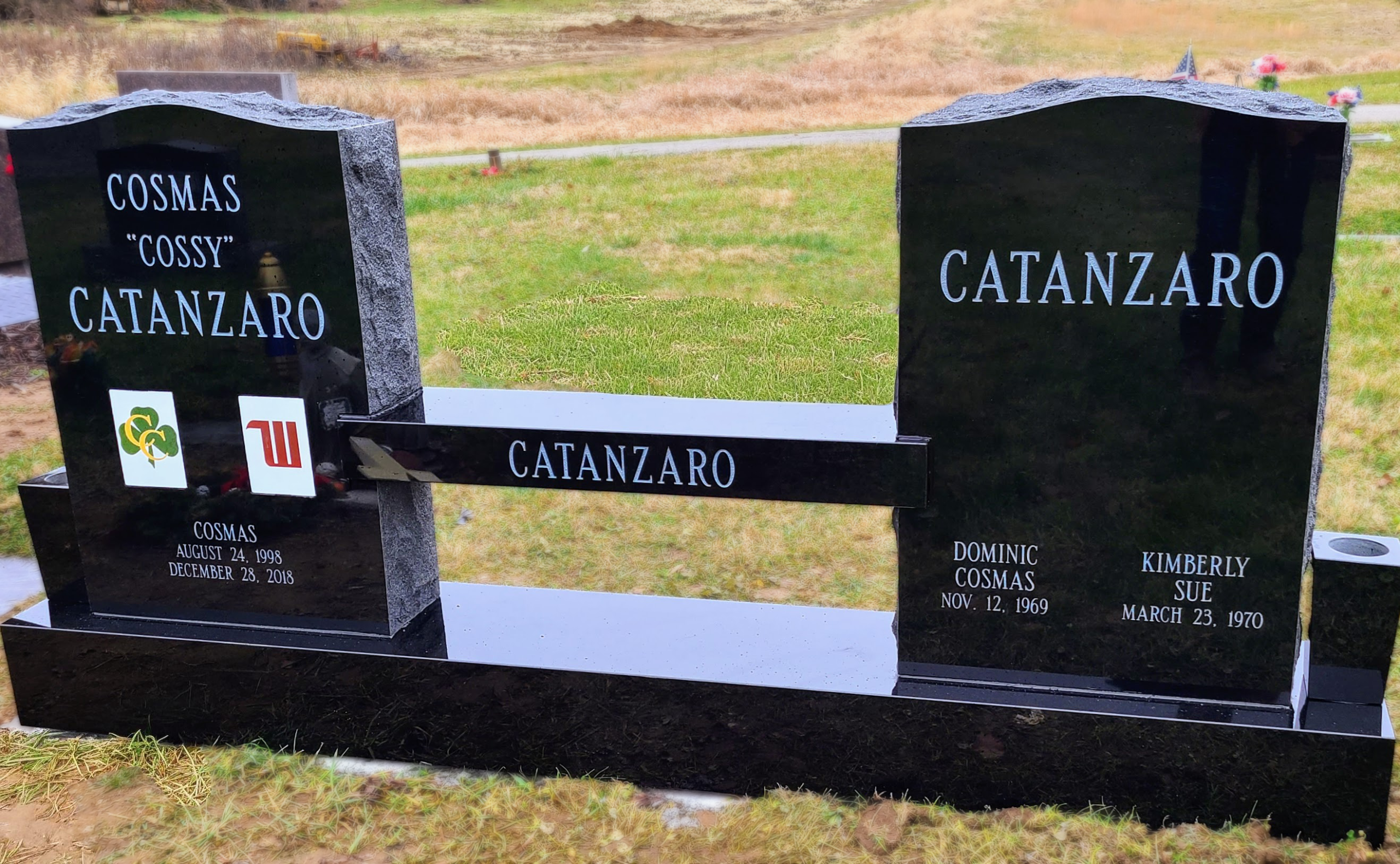
Yes. Photos, etchings, and epitaphs are often allowed—check with the cemetery on format and color limits. Many monuments also accept future additions. This flexibility can be important when families want to add names later or update a monument with new design elements. Ask your builder about how additions can be planned for in the initial design.
What if I want to update an existing monument?
Most monument builders can add names, inscriptions, or designs to existing monuments—even if they didn’t originally provide them. Photos and cemetery info help speed the process. Updating an existing monument is often more affordable than starting from scratch, and it ensures continuity for families who want loved ones remembered together in one place.
Can I pre-order a monument?
Absolutely. Many families plan ahead to reduce emotional stress later. Pre-need purchases also lock in today’s costs, often saving money over time. Pre-ordering allows families to take their time with design choices and ensures wishes are clearly documented. It’s a thoughtful way to ease decision-making for surviving relatives in the future.
Do I have to buy from the cemetery?
Not at all. You have the right—and typically more choice—by working directly with a monument builder. Broader selection, better service, and often better pricing await. Independent builders also provide personalized service, helping you create a monument that reflects your loved one’s unique story instead of limiting you to a small set of options.
Is there a warranty?
Yes. A reputable monument builder offers written warranties covering materials, craftsmanship, and installation. MBNA members may also provide extended protection programs. A written warranty provides peace of mind and ensures accountability. Be sure to ask your builder what is included, how long coverage lasts, and what steps to take if issues ever arise.