Memorialization After Cremation
Creating a lasting place for remembrance
More families than ever are choosing cremation, but one thing hasn’t changed: the human need to remember, honor and connect with those we’ve lost. A permanent place of remembrance—whether a monument, marker, or niche—serves an essential role in the grieving process.
Without it, future generations may have no tangible connection to their family history, and loved ones may miss out on a space that supports healthy mourning.
Why Memorialization Still Matters After Cremation
Ritual and stability.
Rituals help mourners feel more in control after a loss. Creating a physical memorial offers a steady location for gatherings, anniversaries, and private reflection, which can help regulate the emotional waves of grief.
Continuing bonds.
Modern grief research supports maintaining a loving connection with the deceased instead of “letting go.” A memorial allows those bonds to remain visible and accessible to family and friends over time.
Meaning-making.
The design process—choosing words, symbols, and materials—becomes part of reconstructing meaning after loss. Whether the ashes are buried, placed in a niche, or kept at home, a memorial provides a public way to express that meaning.
Social connection.
Public and private memorial spaces bring people together. Whether it’s an annual visit or an impromptu stop, these gatherings help weave loss into the shared story of a family and community.
Memorialization Options for Families Choosing Cremation
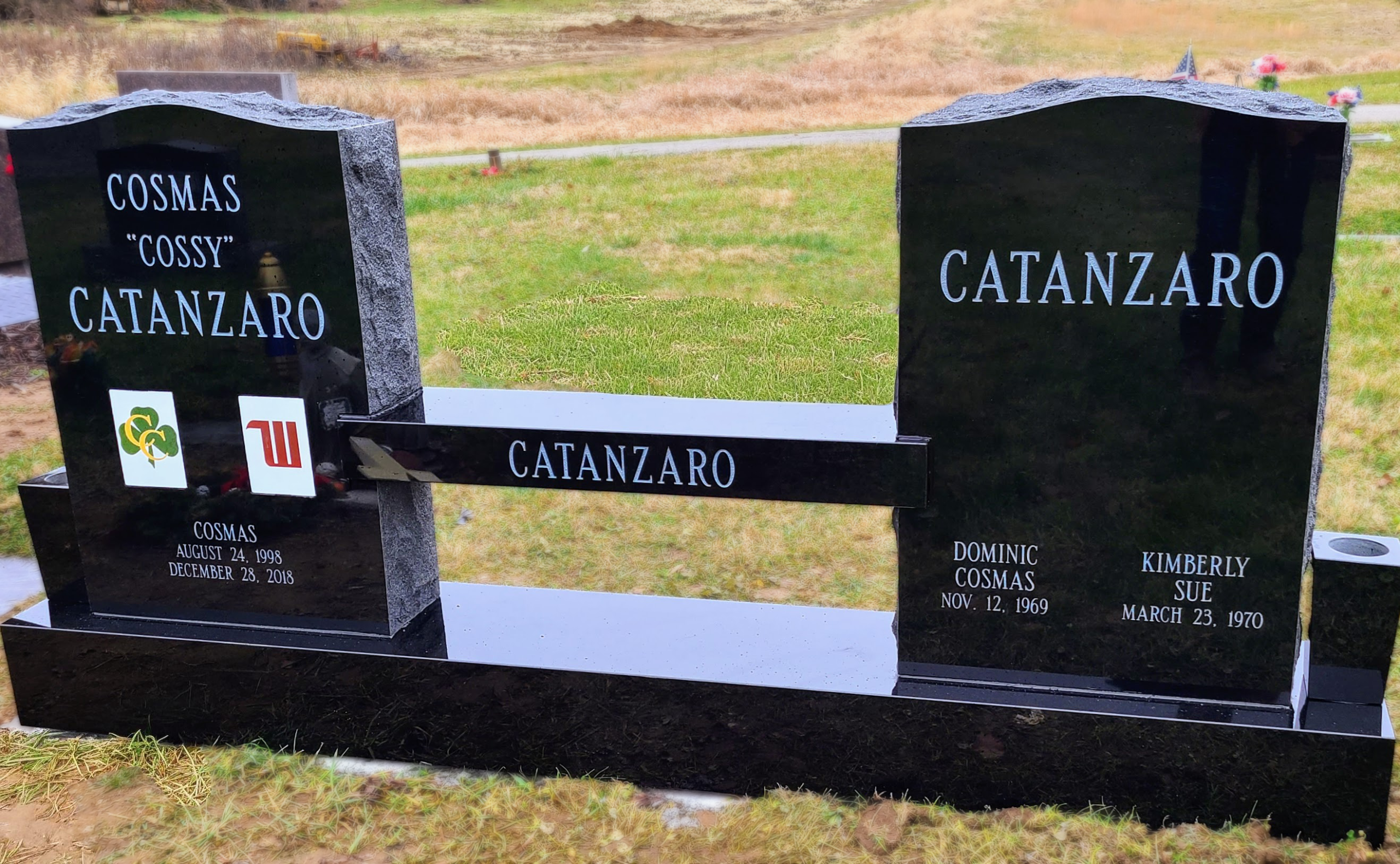
– Cemetery monuments for cremation plots – Upright or flat markers installed where cremated remains are buried.
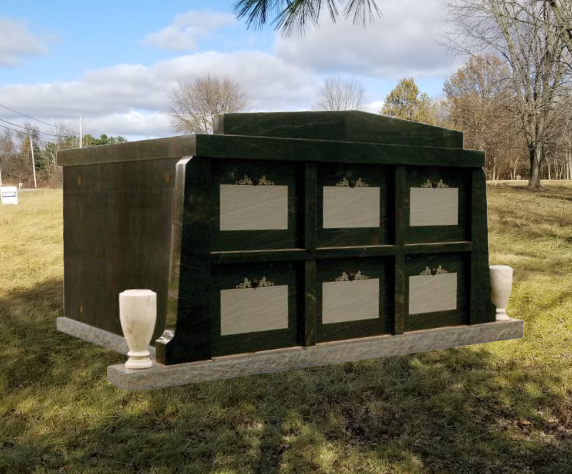
– Columbarium niches – Walls or free-standing structures that house urns, often with engraved nameplates or plaques.
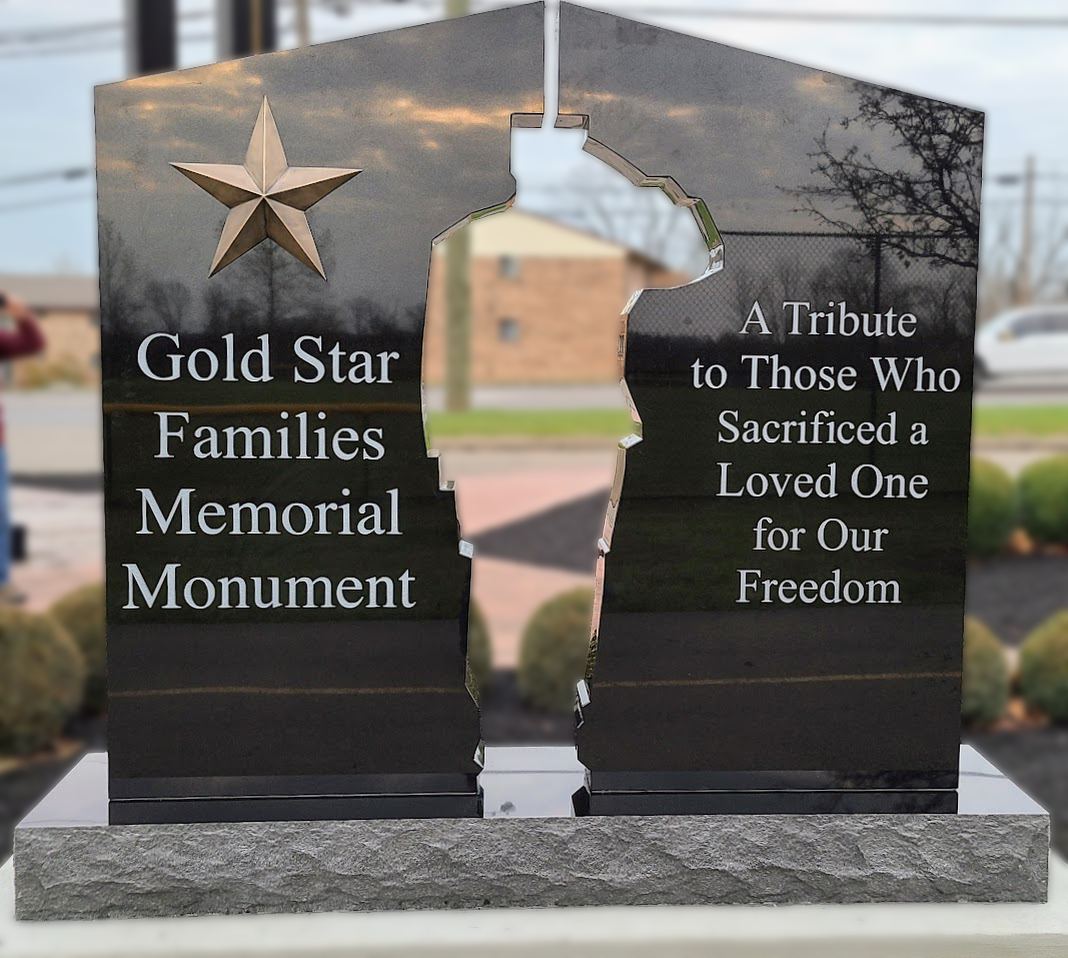
– Garden memorials – Personalized benches, stones, or plaques placed in a memorial garden, at a cemetery, or in a meaningful location.
– Family estate monuments – Larger memorials designed to hold multiple urns, creating a gathering point for future generations.
– Home memorials – While not permanent in the public sense, families may also choose custom urns or keepsake items, ideally in addition to a permanent, accessible memorial for long-term connection.
Questions to Ask Before You Decide
- Does the cemetery have a dedicated cremation garden or section?
2. Are there size or style restrictions for cremation monuments?
3. Is there space for future inscriptions if other family members choose cremation?
4. How accessible is the site for future visits?
5. What materials are most durable for the location?
How We Can Help as MBNA Member
As a proud member of the Monument Builders of North America (MBNA), Columbus Memorials is skilled in designing cremation memorials that honor loved ones while meeting cemetery requirements. We can recommend durable materials, guide families through the design process, and ensure the memorial will endure for generations.
Choosing cremation doesn’t mean forgoing a place to remember—it means choosing how that place will look and feel. A well-crafted memorial can bring comfort, connection, and a sense of permanence to families for decades to come.
To verify our membership or look us up in the MBNA register, visit search.monumentbuilders.org.
Sidebar: Key Research at a Glance
• Rituals and Control – Rituals after loss can help restore a sense of stability and reduce grief intensity. (Norton & Gino, 2014)
• Continuing Bonds Theory – Maintaining a healthy, ongoing connection to the deceased supports adjustment. (Klass, Silverman, & Nickman, 1996)
• Meaning Reconstruction – Creating symbols and narratives after loss aids in processing and integrating grief. (Neimeyer, 2001)
• Social Support – Public and shared mourning rituals foster connection and community resilience. (Public Health England, 2020)